
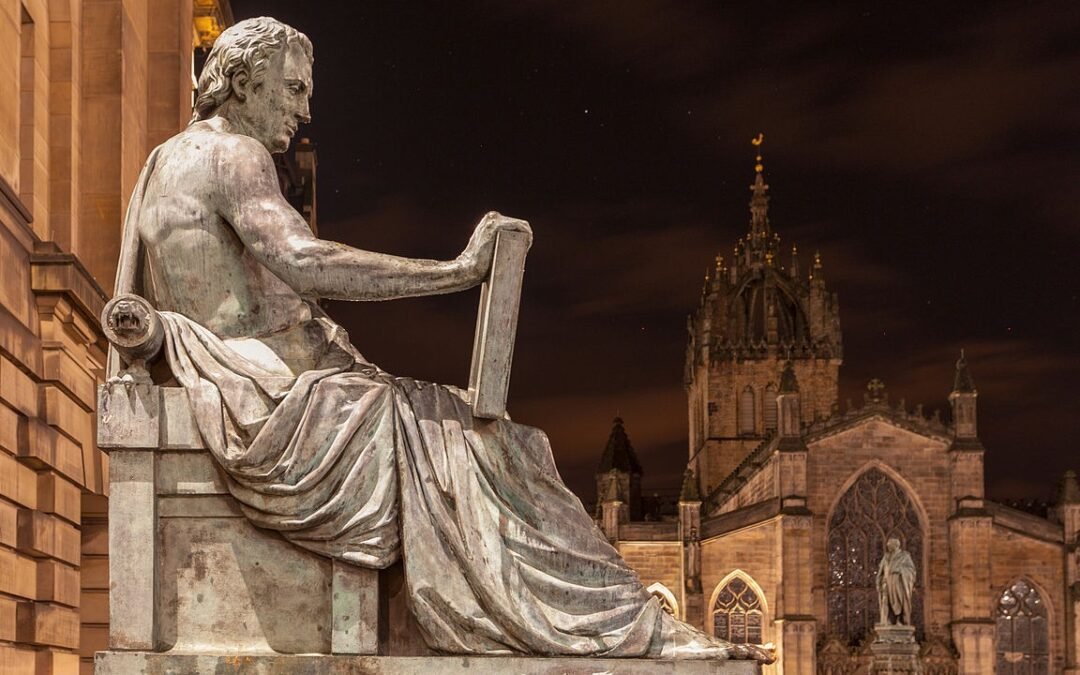
The End of Enlightenment:
Empire, Commerce, Crisis
Prof Richard Whatmore,
School of History, University of St Andrews
Date: 17th of December 2025
Time: 20:00
Venue: Zoom
The Enlightenment is popularly seen as the Age of Reason, a key moment in human history when ideals such as freedom, progress, natural rights and constitutional government prevailed. In this radical re-evaluation, historian Richard Whatmore shows why, for many at its centre, the Enlightenment was a profound failure.
By the early eighteenth century, hope was widespread that Enlightenment could be coupled with toleration, the progress of commerce and the end of the fanatic wars of religion that were destroying Europe. At its heart was the battle to establish and maintain liberty in free states – and the hope that absolute monarchies such as France and free states like Britain might even subsist together, equally respectful of civil liberties. Yet all of this collapsed when states pursued wealth and empire by means of war. Xenophobia was rife and liberty itself turned fanatic.
About the speaker:
Richard Whatmore is Professor of Modern History at the University of St Andrews and Co-Director of the Institute of Intellectual History. He is the author of several acclaimed contributions to intellectual history and eighteenth-century scholarship, including The History of Political Thought, Terrorists, Anarchists and Republicans and Against War and Empire.
Image attribution - "File:DavidHume.jpg" by Bandan is licensed under CC BY-SA 3.0.
OTHER EVENTS
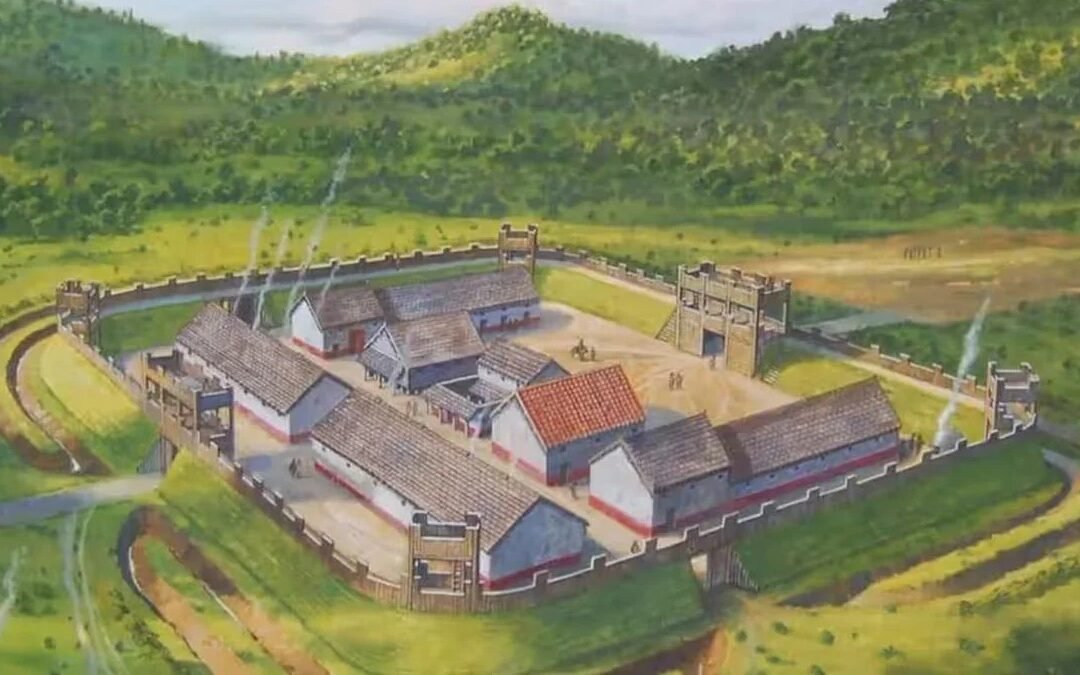
On Findings of a Large Roman Fort in Wales in 2024
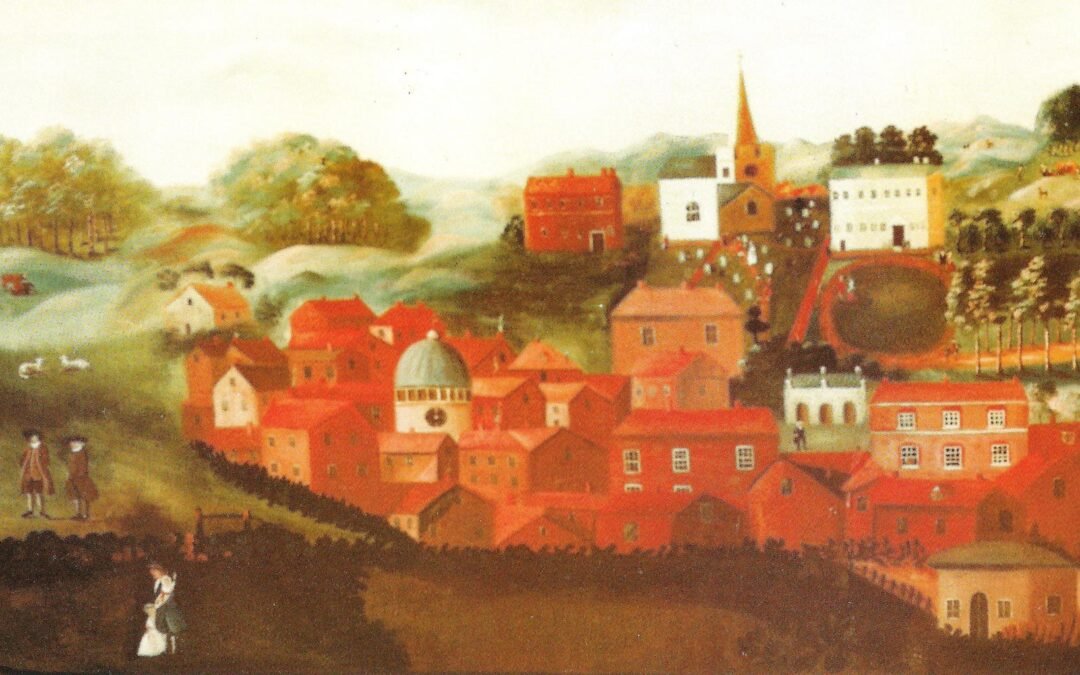
Guided Walk Around Chesham – LIVE
A painting of Chesham in 1750

The Unlikely Spies of Medieval Europe
Date: 20th of May 2026
Time: 20:00
Venue: Zoom
Speaker: Prof Jenny Benham, Medieval History, School of History, Archaeology & Religion, Cardiff University
Spies were a common feature of political, diplomatic and courtly life in the period of early medieval Europe. In this article, Jenny Benham explores some interesting contemporary representations of spies, in both literature and art. These stories and images reveal key features of the culture and practices surrounding these so-called ‘little birds’ who listened to and passed on important secret information.