
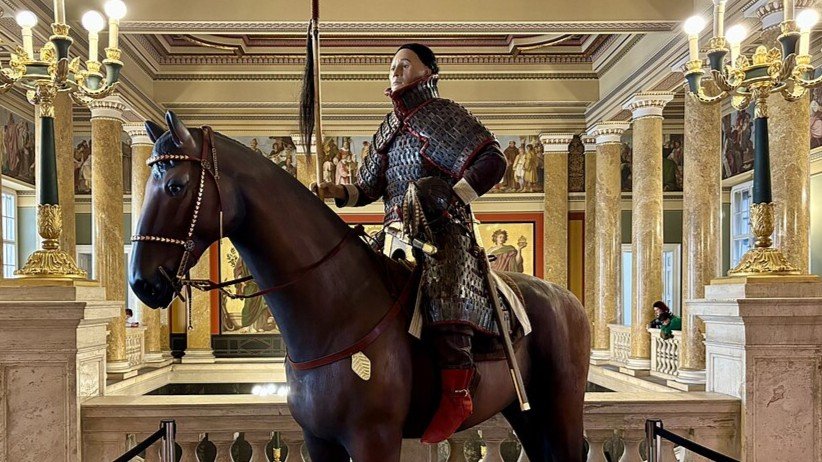
Early Migration and the Making of Europe
Prof Peter Heather,
Professor of Medieval History, King’s College London
Date: 21st of October 2026
Time: 20:00
Venue: Zoom
In this talk, historian Peter Heather challenges traditional narratives to re-examine the first millennium AD, an era defined by profound geopolitical transformation. His work traces how a continent once dominated by a single Mediterranean superpower—the Roman Empire—and surrounded by scattered subsistence farmers, evolved by AD 1000 into an interconnected network of distinct Christian states.
Central to this transformation was the controversial and often misunderstood phenomenon of large-scale human migration. Heather argues that early medieval migrations were not merely chaotic, destructive waves of barbarian invasions, but rather structured movements deeply influenced by the proximity of Rome itself. The economic and military gravity of the Roman superpower fundamentally changed the behavior of peripheral societies. To survive, compete, or capitalize on Roman wealth, peripheral elites were incentivized to consolidate power, turning fragmented tribal groups into larger, more cohesive political confederations.
Ultimately, Heather frames this historic shift as an early form of globalization. In this view, underdeveloped societies outside the imperial borders did not just destroy Roman infrastructure; they adapted to it, consolidated their own authority, and laid the institutional foundations for the modern European landscape.
About the speaker:
Peter Heather is Professor of Medieval History at King’s College London, joining the department in January 2008 as the Chair of Medieval History.
Professor Heather has specialised in the history of early Europe, focusing on the peoples and successor states after the decline of the Roman imperial period. He has tackled the issue of ‘barbarian’ peoples – a term first applied to migrating peoples from the east by the Greeks and which was adopted by the Romans to refer to ‘uncivilised’, ie, non-Roman, peoples who were to move into the vacuum left by the declining Empire, of which went on to form our modern nation states.
In recent years, his research has looked at propaganda in the late Roman elite and issues of migration and ethnicity among the groups who dismantled the western half of the Roman Empire.
This talk will be preceded by the AGM at 7:35.
Image attribution - "Nemzeti Múzeum - Attila-kiállítás - Hun harcos" by OrionNimrod is marked with CC0 1.0.
OTHER EVENTS

Appalachia and the Hillbilly in the American Imagination
Date: 18th of February 2025
Time: 20:00
Venue: Zoom
Speaker: Dr Antony Harkins, Western Kentucky University, USA
The Appalachian region in the United States comprises the range of mountains stretching from north Georgia up to the state of Maine. It has been celebrated as an area of natural beauty and long-distance walks as well as a major centre of bluegrass music. However, it is also a very misunderstoodarea as evidenced by JD Vance’s Hillbilly Elegy.
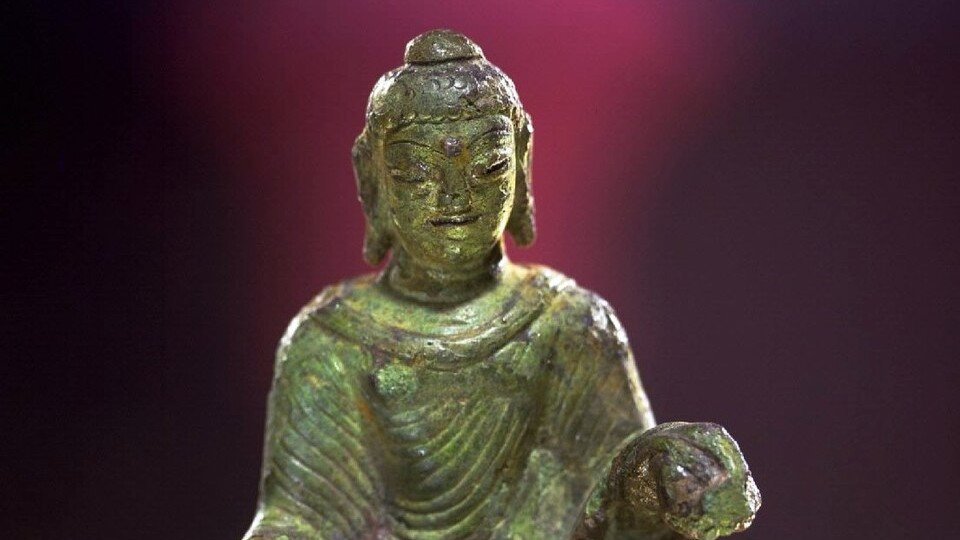
Traces of the Silk Road in Northwest Europe
Date: 18th of March 2026
Time: 20:00
Venue Zoom
Speaker: Prof Susan Whitfield, University of East Anglia
We think of the Silk Roads as a luxury trade route from East Asia to markets such as Damascus in Syria. But there is much more to this story. This trade involved diplomatic, religious and other contacts between different cultures as far as Europe.
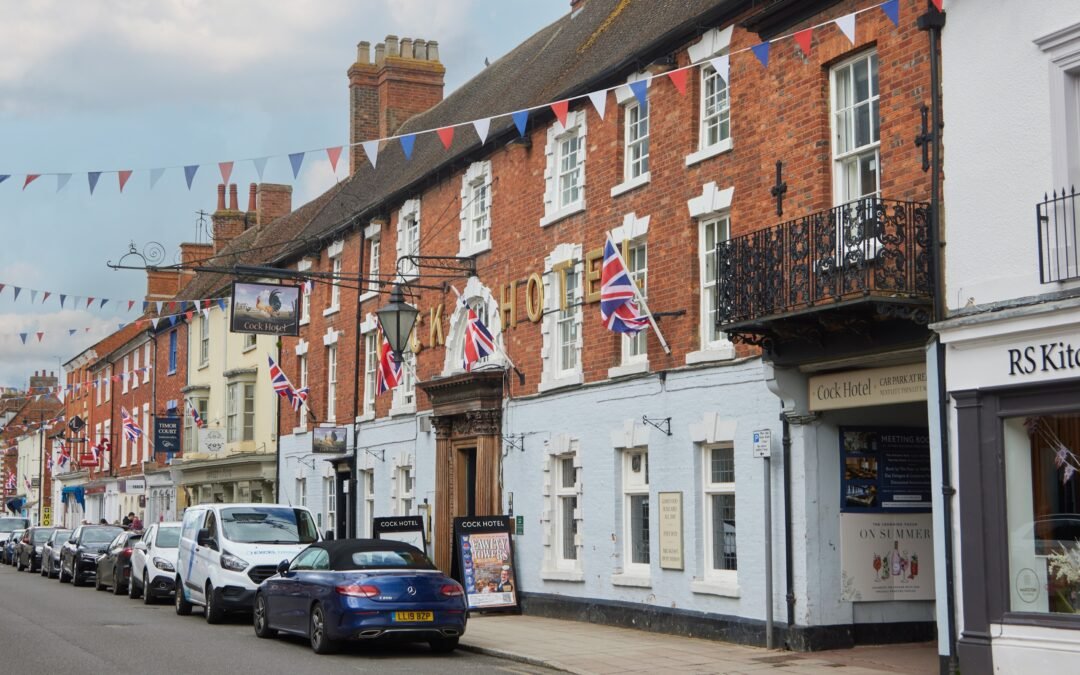
Partying like it’s 1679 in Stony Stratford, Or, Mabel Graves’s Very Bad Day: Political Protest Songs in 17th century England
Date: 15thof April 2026
Time: 20:00
Venue: Zoom
Speaker: Dr Angela McShane, Hon Reader in History, University of Warwick
Partying like it’s 1679 in Stony Stratford, Or Mable Graves’s Very Bad Day. In 1679, the landlady of The Cock in Stony Stratford was visited by agents of the powerful local magnate, Sir Richard Temple of Stowe. They were investigating a seditious pop song that had created a local and national sensation – and libelled their master. Did she know anything about it? Trouble was … Mabel did know … a lot. Come and hear the story of that sensational song, the era’s huge pop song trade in general, and find out what happened next for Mabel and her family.