
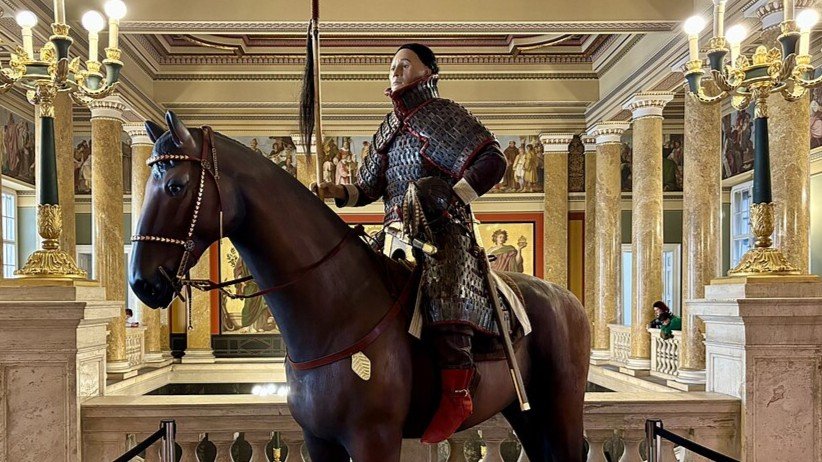
Early Migration and the Making of Europe
Prof Peter Heather,
Professor of Medieval History, King’s College London
Date: 21st of October 2026
Time: 20:00
Venue: Zoom
In this talk, historian Peter Heather challenges traditional narratives to re-examine the first millennium AD, an era defined by profound geopolitical transformation. His work traces how a continent once dominated by a single Mediterranean superpower—the Roman Empire—and surrounded by scattered subsistence farmers, evolved by AD 1000 into an interconnected network of distinct Christian states.
Central to this transformation was the controversial and often misunderstood phenomenon of large-scale human migration. Heather argues that early medieval migrations were not merely chaotic, destructive waves of barbarian invasions, but rather structured movements deeply influenced by the proximity of Rome itself. The economic and military gravity of the Roman superpower fundamentally changed the behavior of peripheral societies. To survive, compete, or capitalize on Roman wealth, peripheral elites were incentivized to consolidate power, turning fragmented tribal groups into larger, more cohesive political confederations.
Ultimately, Heather frames this historic shift as an early form of globalization. In this view, underdeveloped societies outside the imperial borders did not just destroy Roman infrastructure; they adapted to it, consolidated their own authority, and laid the institutional foundations for the modern European landscape.
About the speaker:
Peter Heather is Professor of Medieval History at King’s College London, joining the department in January 2008 as the Chair of Medieval History.
Professor Heather has specialised in the history of early Europe, focusing on the peoples and successor states after the decline of the Roman imperial period. He has tackled the issue of ‘barbarian’ peoples – a term first applied to migrating peoples from the east by the Greeks and which was adopted by the Romans to refer to ‘uncivilised’, ie, non-Roman, peoples who were to move into the vacuum left by the declining Empire, of which went on to form our modern nation states.
In recent years, his research has looked at propaganda in the late Roman elite and issues of migration and ethnicity among the groups who dismantled the western half of the Roman Empire.
This talk will be preceded by the AGM at 7:35.
Image attribution - "Nemzeti Múzeum - Attila-kiállítás - Hun harcos" by OrionNimrod is marked with CC0 1.0.
OTHER EVENTS
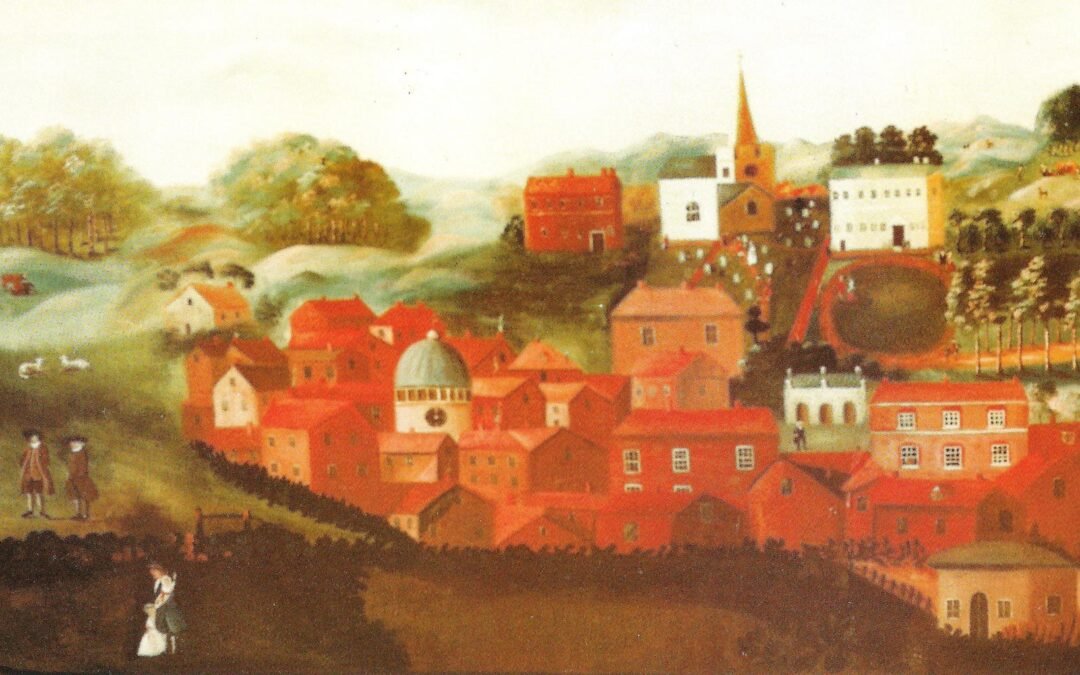
Guided Walk Around Chesham – LIVE
A painting of Chesham in 1750
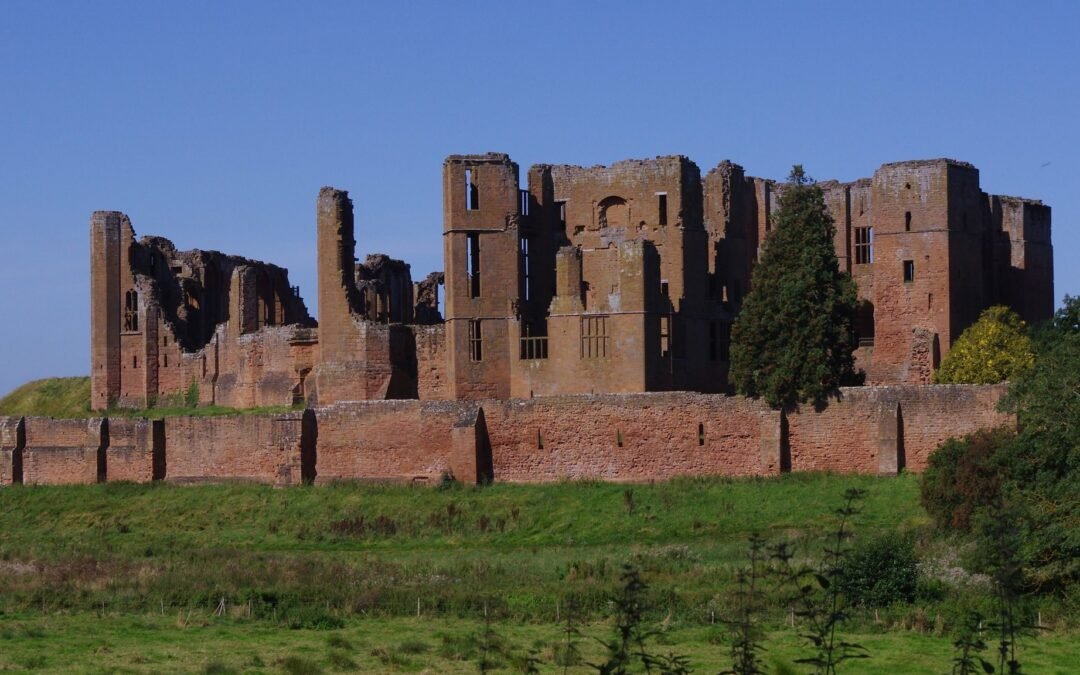
The Unlikely Spies of Medieval Europe
Date: 20th of May 2026
Time: 20:00
Venue: Zoom
Speaker: Prof Jenny Benham, Medieval History, School of History, Archaeology & Religion, Cardiff University
Spies were a common feature of political, diplomatic and courtly life in the period of early medieval Europe. In this article, Jenny Benham explores some interesting contemporary representations of spies, in both literature and art. These stories and images reveal key features of the culture and practices surrounding these so-called ‘little birds’ who listened to and passed on important secret information.
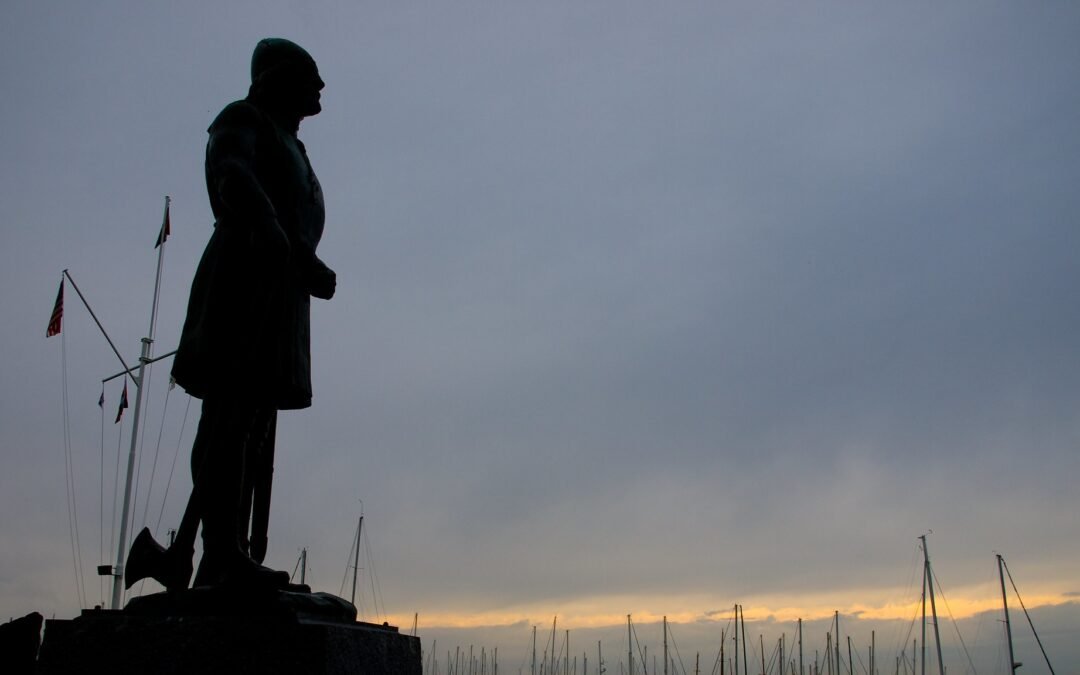
The Search for American Vikings: Untangling Myth from Reality (Preceded by AGM)
Date:15th of Ocotober 2025
Time: 20:00 (19:35 for AGM)
Venue: Zoom
Speaker: Martyn Whittock, Independent Researcher and Author
For a thousand years, Norse sagas (written in 13th-century Iceland) claimed that Vikings migrated from Greenland to reach a land to the West called ‘Vinland.’ It was, and is, a claim that stimulates the imagination and controversy, for it insists that Vikings influenced lands very far from Scandinavia. In this talk – based on my book American Vikings: How the Norse Sailed into the Lands and Imaginations of America – I explore the evidence for this in the literary sources and archaeology (most notably on Newfoundland); claims regarding runestones ‘discovered’ in the USA; and the way this idea of ‘Vinland Vikings’ has fed into the cultural DNA of North America and especially the USA. In recent times that has led to their co-option by the US far-right as seen in the ‘Unite the Right’ rally at Charlottesville (2017) and on January 6th at the US Capitol. This talk will explore both the evidence for Norse settlement in North America and why it became (and remains) so important in the ‘deep story’ of contested US identities.