
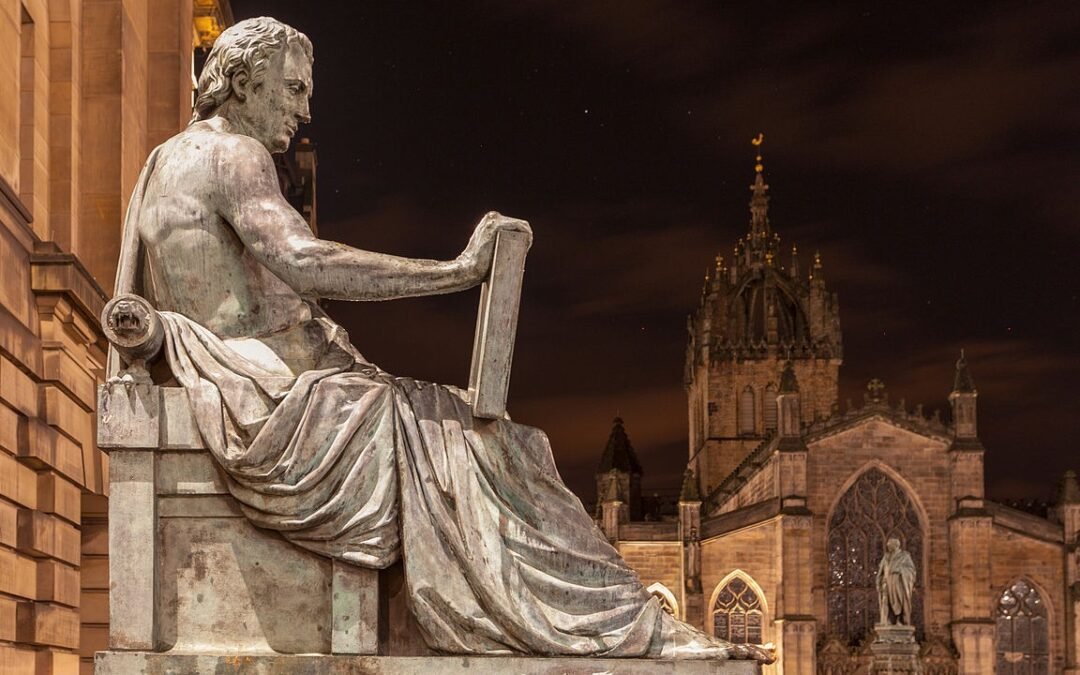
The End of Enlightenment:
Empire, Commerce, Crisis
Prof Richard Whatmore,
School of History, University of St Andrews
Date: 17th of December 2025
Time: 20:00
Venue: Zoom
The Enlightenment is popularly seen as the Age of Reason, a key moment in human history when ideals such as freedom, progress, natural rights and constitutional government prevailed. In this radical re-evaluation, historian Richard Whatmore shows why, for many at its centre, the Enlightenment was a profound failure.
By the early eighteenth century, hope was widespread that Enlightenment could be coupled with toleration, the progress of commerce and the end of the fanatic wars of religion that were destroying Europe. At its heart was the battle to establish and maintain liberty in free states – and the hope that absolute monarchies such as France and free states like Britain might even subsist together, equally respectful of civil liberties. Yet all of this collapsed when states pursued wealth and empire by means of war. Xenophobia was rife and liberty itself turned fanatic.
About the speaker:
Richard Whatmore is Professor of Modern History at the University of St Andrews and Co-Director of the Institute of Intellectual History. He is the author of several acclaimed contributions to intellectual history and eighteenth-century scholarship, including The History of Political Thought, Terrorists, Anarchists and Republicans and Against War and Empire.
Image attribution – “File:DavidHume.jpg” by Bandan is licensed under CC BY-SA 3.0.
OTHER EVENTS
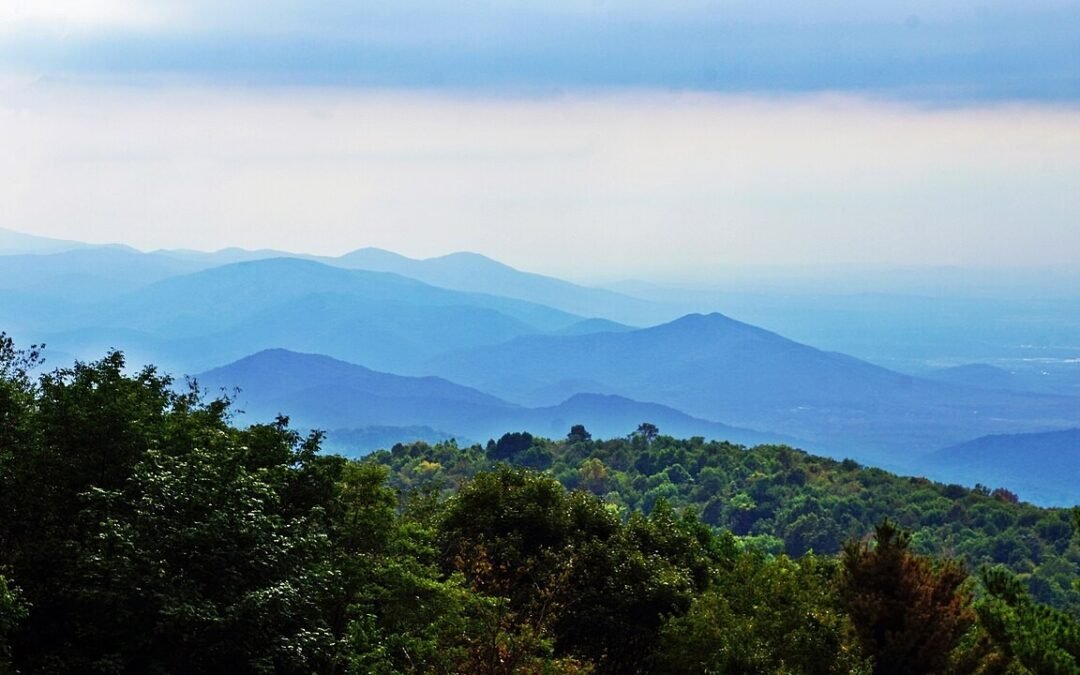
Appalachia and the Hillbilly in the American Imagination
Date: 18th of February 2025
Time: 20:00
Venue: Zoom
Speaker: Dr Antony Harkins, Western Kentucky University, USA
The Appalachian region in the United States comprises the range of mountains stretching from north Georgia up to the state of Maine. It has been celebrated as an area of natural beauty and long-distance walks as well as a major centre of bluegrass music. However, it is also a very misunderstoodarea as evidenced by JD Vance’s Hillbilly Elegy.
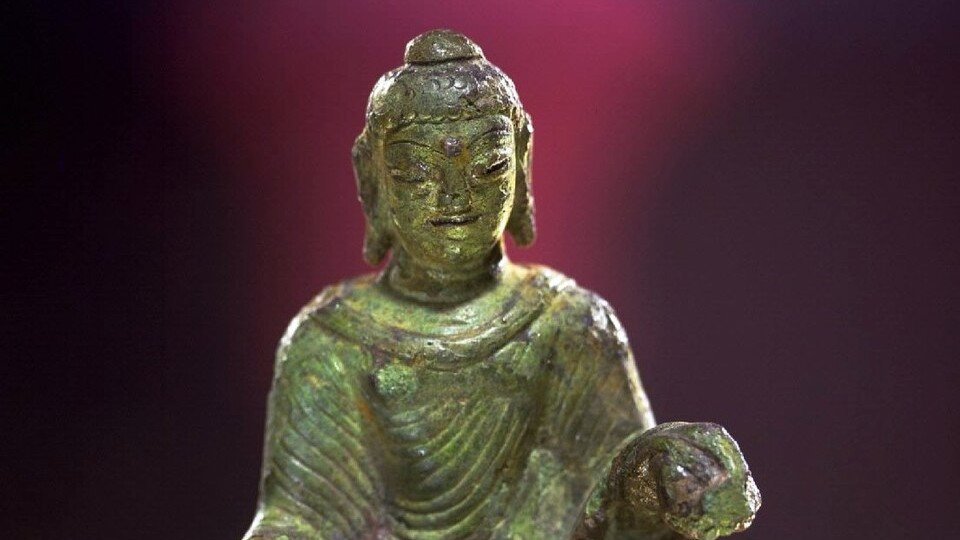
Traces of the Silk Road in Northwest Europe
Date: 18th of March 2026
Time: 20:00
Venue Zoom
Speaker: Prof Susan Whitfield, University of East Anglia
We think of the Silk Roads as a luxury trade route from East Asia to markets such as Damascus in Syria. But there is much more to this story. This trade involved diplomatic, religious and other contacts between different cultures as far as Europe.
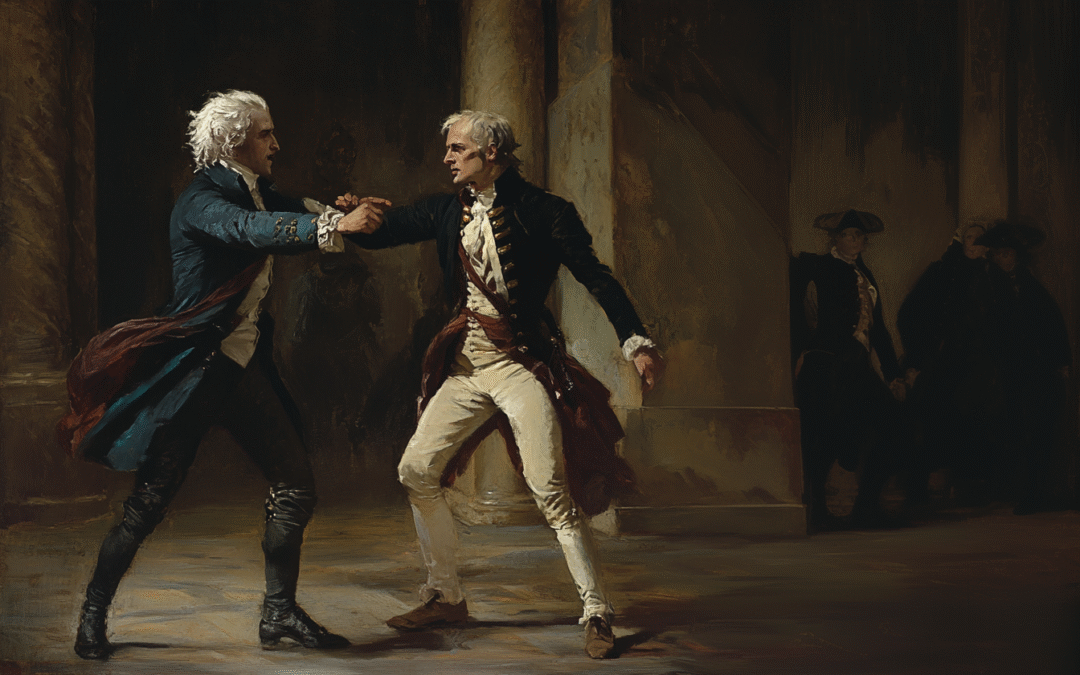
Robespierre and Danton
Robespierre and Danton Prof William Doyle, Emeritus Professor of Ancient History University of BristolChristopher, write to your heart's content here.Your content goes here. Edit or remove this text inline or in the module Content settings. You can also style every...